
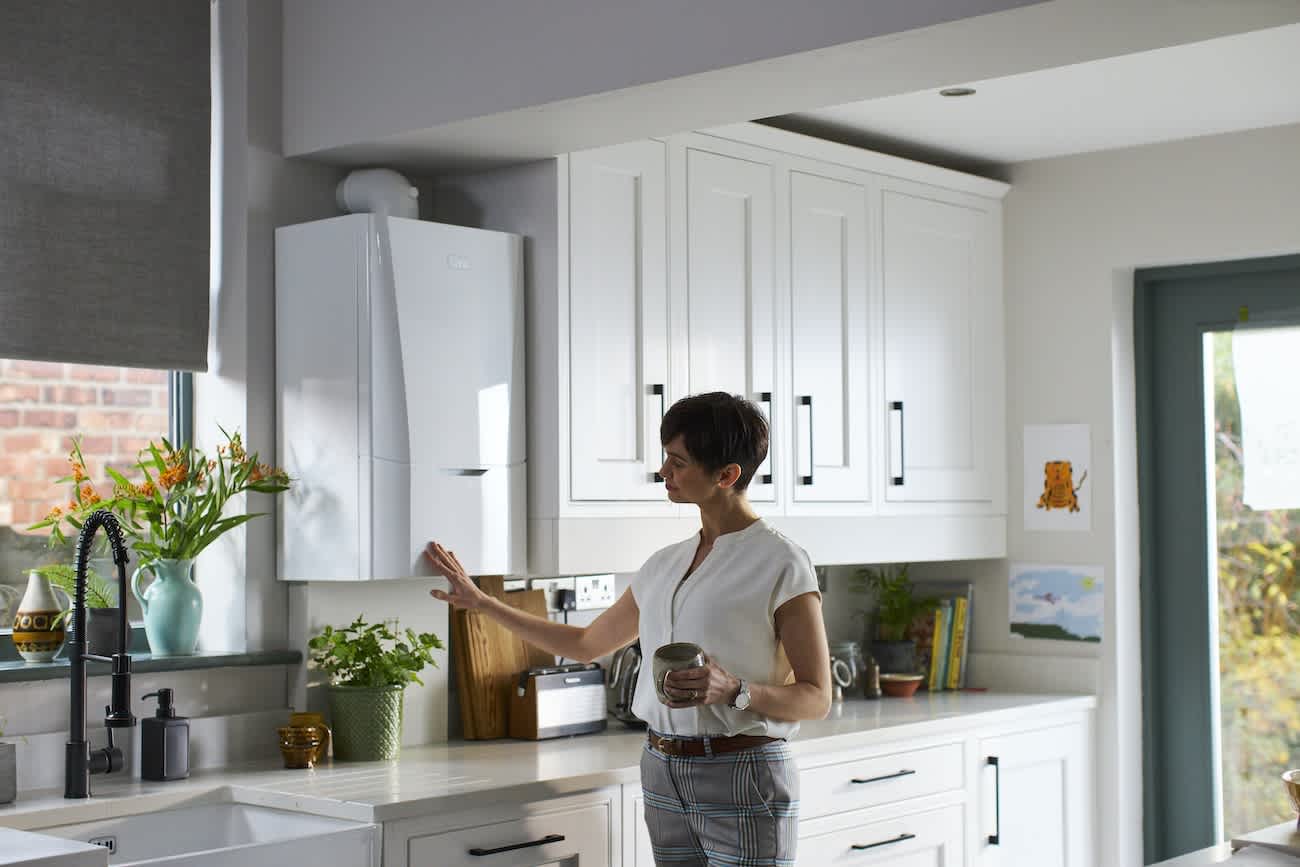
Living in Scotland, particularly in a city like Glasgow, means dealing with a climate that can be damp, cold, and unpredictable for a large portion of the year. A reliable central heating system is not merely a home convenience; it is an essential component of a safe and comfortable living environment. As the temperature drops, the reliance on your boiler increases, putting older units under significant strain. If your current system is struggling to keep up with the demands of a Scottish winter, it might be time to consider the long-term benefits of upgrading to a modern, high-efficiency model.
Many homeowners in the West of Scotland are now looking to invest in new boilers glasgow to ensure their properties remain warm and energy-efficient. Modern boiler technology has advanced rapidly over the last decade, meaning that replacing an old, inefficient G-rated boiler can lead to substantial improvements in performance and significant reductions in monthly energy outgoings. By choosing a local specialist who understands the specific needs of Glasgow properties—ranging from traditional red sandstone tenements to modern new-build apartments—you can ensure your heating system is perfectly tailored to your lifestyle.
Signs Your Current Boiler is Failing
It is often tempting to wait until a boiler completely breaks down before considering a replacement. However, this often happens during the coldest weeks of the year when engineers are at their busiest. Recognising the early warning signs of a failing system can save you from an emergency situation. Common indicators that your boiler is reaching the end of its lifespan include:
- Frequent breakdowns that require expensive call-out charges and replacement parts.
- Strange noises such as banging, whistling, or gurgling, often referred to as kettling.
- A noticeable increase in your monthly energy bills despite no change in usage habits.
- The boiler taking longer than usual to heat your radiators or provide hot water.
- Visible leaks or persistent patches of dampness around the unit.
- A yellow flame instead of a crisp blue one, which could indicate the presence of carbon monoxide.
Exploring the Benefits of High Efficiency Boilers
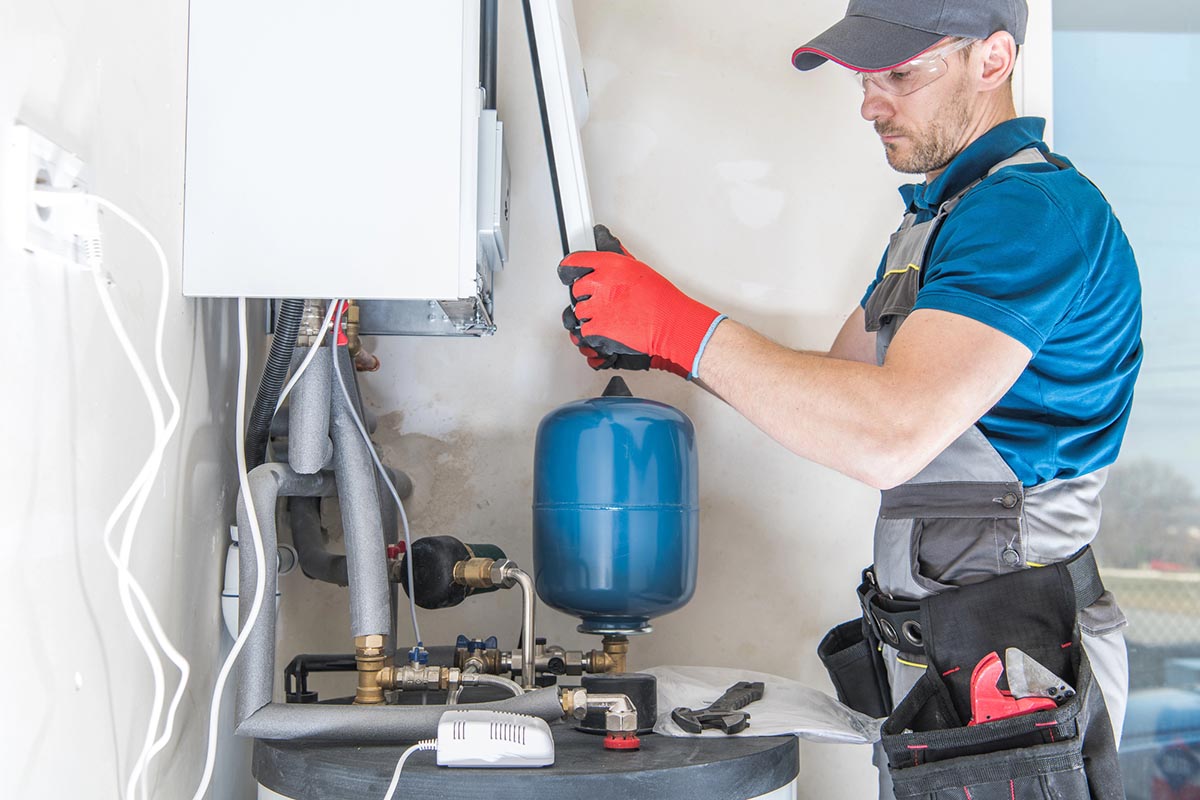
The primary motivation for many residents seeking new boilers glasgow is the promise of improved energy efficiency. Modern condensing boilers are designed to capture heat that would otherwise escape through the flue, recycling it back into the system. This process makes them significantly more efficient than older non-condensing models. When you upgrade, you are not just buying a piece of hardware; you are investing in a system that utilises fuel more effectively, reducing your home’s carbon footprint and helping you contribute to a greener environment.
Beyond the environmental impact, the financial advantages are compelling. According to the Energy Saving Trust, replacing an old gas boiler with a modern A-rated condensing model can save hundreds of pounds per year on energy bills. Furthermore, modern systems are often compatible with smart thermostats and heating controls. These devices allow you to manage your heating remotely via a smartphone app, ensuring you never waste money heating an empty house while guaranteeing a warm welcome when you return from work.
Selecting the Perfect Boiler Type for Your Property
Choosing the right boiler is not a one-size-fits-all process. The size of your home, the number of bathrooms, and your typical hot water usage will all influence which type of system is most suitable. In Glasgow, where housing stock varies greatly, understanding these differences is crucial for a successful installation.
Combination (Combi) Boilers
Combi boilers are the most popular choice for many Glasgow homes, particularly in flats and smaller houses where space is at a premium. These units function as both a high-efficiency water heater and a central heating boiler in a single compact unit. Because they heat water directly from the mains when you turn on a tap, they eliminate the need for a separate hot water cylinder or a cold water storage tank in the loft. This makes them highly space-efficient and relatively simple to install.
System Boilers
For larger households with a high demand for hot water, a system boiler may be more appropriate. These systems require a cylinder for storing hot water, but the major heating and hot water components are built into the boiler itself, making installation cleaner and faster. System boilers are ideal for properties with multiple bathrooms, as they can supply a constant flow of hot water to several taps simultaneously without a drop in pressure.
Regular or Conventional Boilers
Regular boilers, also known as traditional or heat-only boilers, are often found in older Glasgow properties that have not yet undergone a full heating modernisation. They require both a hot water storage cylinder and a cold water tank in the loft. While they take up more space, they are often the best option for homes with older radiator systems that might not handle the higher water pressure delivered by a combi or system boiler.
Navigating the Installation Process for New Boilers Glasgow
Once you have decided to upgrade, the installation process is the next critical step. It is essential to work with a Gas Safe registered engineer to ensure the work is carried out safely and legally. A professional installation involves more than just swapping one box for another; it requires a comprehensive assessment of your home’s pipework, ventilation, and flue positioning.
When searching for providers of new boilers glasgow, look for companies that offer a full site survey. During this survey, an engineer should check your water pressure, count your radiators, and discuss your hot water requirements. This ensures the boiler specified has the correct kilowatt (kW) output for your needs. An undersized boiler will struggle to heat your home, while an oversized one will lead to unnecessary energy waste.
- Ensure the engineer is Gas Safe registered and carries a valid ID card.
- Ask about a power flush, which cleans the existing pipework of sludge and debris before the new unit is fitted.
- Verify that the installer will register the boiler with the manufacturer to activate the warranty.
- Check if they provide a building regulations compliance certificate after the work is completed.
Understanding Energy Efficiency Ratings and Savings
All modern boilers are rated based on their efficiency. In the UK, the ErP (Energy-related Products) directive ensures that all new boilers meet strict efficiency standards. Most new boilers installed today are A-rated, meaning they operate at 90% efficiency or higher. In contrast, an old boiler might only be 60% or 70% efficient, meaning for every pound you spend on gas, 30 to 40 pence is wasted.
In the context of Glasgow’s older tenements, where insulation can sometimes be a challenge, having a highly efficient boiler is even more critical. While you may also look into draught-proofing and loft insulation, the boiler remains the heart of the system. By maximising the heat output from every unit of gas, you can maintain a comfortable internal temperature even when the Scottish wind is howling outside. The initial investment in a high-quality unit is often recouped through these monthly savings over the first few years of operation.
Long Term Maintenance and Manufacturer Warranties
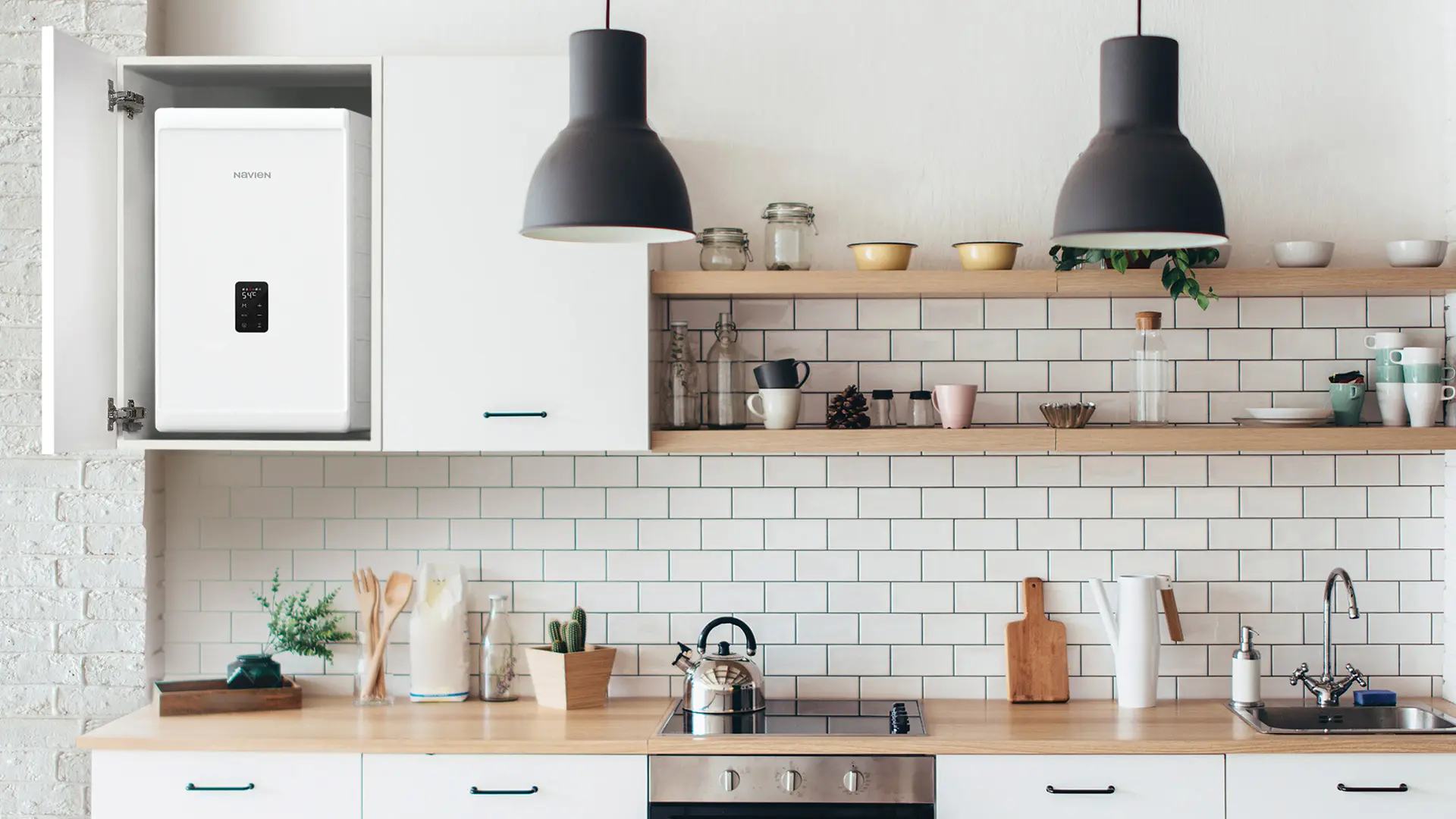
Investing in a new boiler provides peace of mind, largely thanks to the manufacturer warranties that come with modern units. Many leading brands offer warranties ranging from five to twelve years, provided the boiler is serviced annually by a qualified professional. This protects you against the cost of unexpected repairs and ensures that your system continues to run at peak efficiency.
To keep your new installation in top condition, consider the following maintenance tips:
- Schedule an annual service every year, ideally in the autumn before the heavy usage period begins.
- Monitor the pressure gauge on your boiler; it should typically sit between 1 and 1.5 bar.
- Bleed your radiators if you notice cold spots at the top, as trapped air can reduce system efficiency.
- Keep the area around your boiler clear to allow for proper ventilation and easy access for future servicing.
- Install a magnetic filter to capture metallic debris in the system, preventing it from damaging the internal components of the boiler.
By taking these steps, you ensure that your investment in a new heating system pays off for many years to come. A well-maintained boiler not only lasts longer but also operates more quietly and safely, providing the consistent warmth that every Glasgow home deserves during the winter months.

A music journalist and audio archivist, Toby specialises in deep dives into discographies, band evolution, and the production techniques that shaped iconic sounds across decades.