
For many men and women across Scotland, the mirror can become a source of frustration rather than a simple tool for getting ready in the morning. Noticing a thinning crown or a receding hairline is a deeply personal experience that often impacts self-esteem far more than we care to admit. While there are countless lotions, potions, and temporary fixes available on the high street, more people are finally deciding to look for a permanent solution. This usually leads them to search for a professional hair transplant clinic Glasgow to see what can actually be done to reverse the clock.
Glasgow has long been a hub for medical excellence, and the field of hair restoration is no exception. Choosing to have a procedure locally isn’t just about convenience; it is about finding a team that understands the local lifestyle and provides the level of care required for such a transformative procedure. When you begin this process, it is important to realise that a hair transplant is not just a quick medical fix, but an artistic endeavour that requires a surgeon with a keen eye for detail and a deep understanding of facial symmetry.
Understanding what actually happens during the procedure
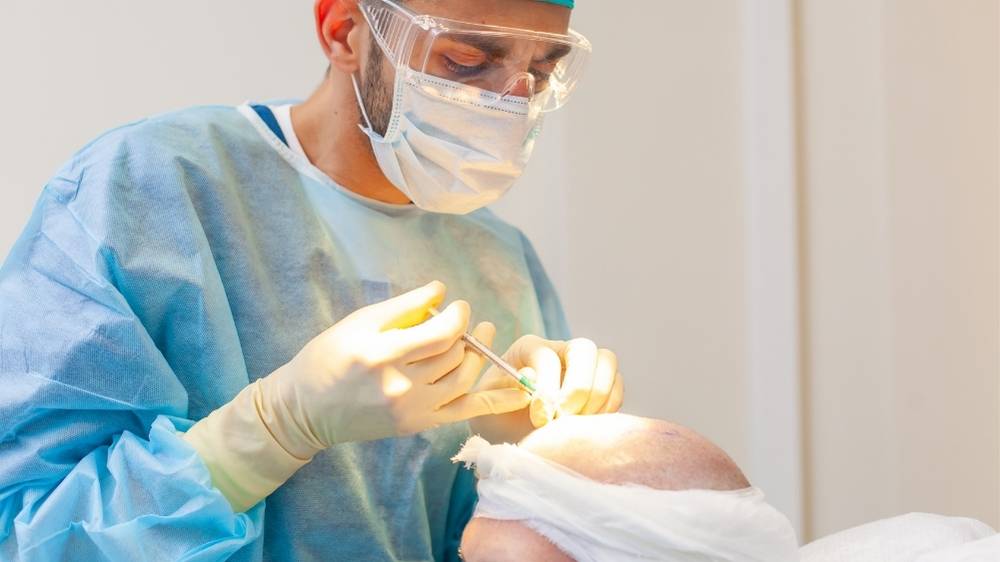
The world of hair restoration has evolved significantly over the last decade. Gone are the days of the obvious ‘plug’ look that many people still associate with older techniques. Today, the focus is on creating a natural, undetectable result that blends seamlessly with your existing hair. Most modern clinics specialise in Follicular Unit Extraction (FUE), which is widely considered the gold standard in the industry.
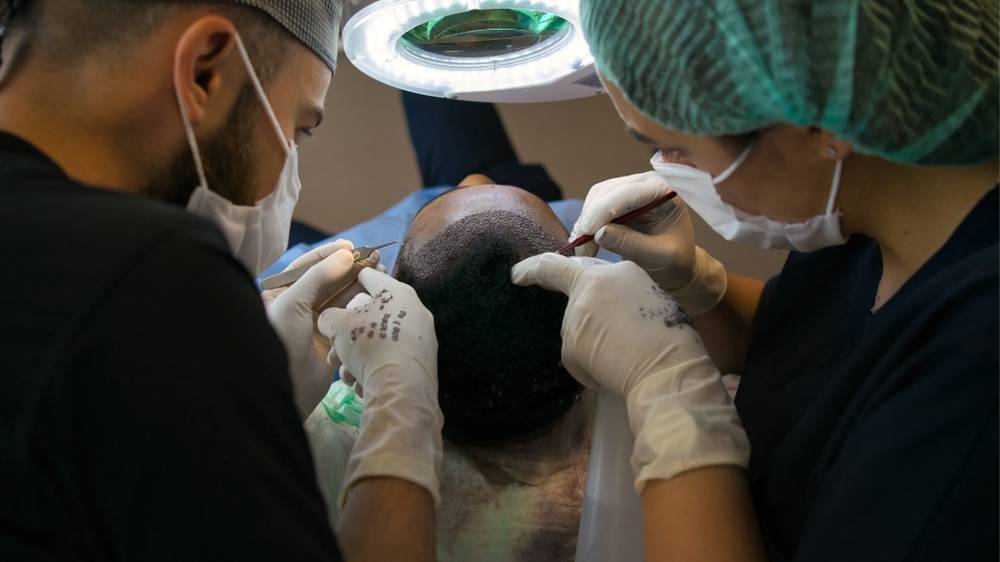
During an FUE procedure, individual hair follicles are carefully extracted from a donor area—usually the back or sides of the head where hair is more resistant to thinning—and then meticulously implanted into the thinning areas. Because the follicles are moved one by one, the surgeon can control the angle, direction, and density of the new growth. This level of precision is why it is so important to find a high-quality hair transplant clinic glasgow that prioritises patient outcomes over high-volume turnover.
There are several reasons why FUE has become the preferred choice for patients in Scotland:
- Minimal scarring compared to older ‘strip’ methods (FUT).
- A faster recovery period, allowing you to return to your normal routine sooner.
- The ability to wear your hair short without visible signs of surgery.
- A more natural-looking hairline that mimics the way hair grows organically.
What to look for when you start your search
With so many options appearing in search results, it can feel overwhelming to decide which clinic is right for you. It is easy to get distracted by flashy marketing or low prices, but your hair is a permanent feature of your face, and the results of a transplant are for life. This means the quality of the surgeon should always be your primary concern. A reputable hair transplant clinic Glasgow will always offer a thorough consultation before any work is agreed upon.
During a consultation, you should expect a transparent discussion about what is realistically achievable. Not everyone is a perfect candidate for a transplant, and a good surgeon will be honest about your donor hair supply and the likely density of the final result. They should also take the time to explain the science behind your hair loss, whether it is male pattern baldness, thinning due to stress, or other medical factors.
Key things to ask during your visit include:
- How many procedures does the lead surgeon perform personally?
- Can I see a portfolio of before-and-after photos of previous patients?
- What kind of aftercare support is provided in the months following the surgery?
- What are the specific risks and limitations based on my hair type and age?
The importance of a local Glasgow-based recovery
While some people consider travelling abroad for cheaper procedures, there are significant benefits to choosing a clinic close to home. Hair restoration is a journey that doesn’t end when you leave the operating chair. The first few days and weeks after the procedure are critical for the survival of the newly implanted grafts. Having your surgeon nearby means you can easily pop in for a check-up if you have any concerns or if you simply want some reassurance that everything is healing as it should.
The Scottish climate can also play a role in how you manage your recovery. Protecting your scalp from the elements—whether it is the rare bright sun or the more common wind and rain—is essential. A local clinic will provide you with a tailored aftercare plan that accounts for your daily life in Glasgow, ensuring you know exactly how to wash your hair and when it is safe to return to the gym or start wearing a hat again.
The timeline of your transformation
One of the hardest parts of getting a hair transplant is the wait. It is not an overnight transformation. After the initial procedure, the transplanted hairs will actually fall out—a process known as ‘shock loss.’ This is completely normal and can be a bit disheartening if you aren’t prepared for it. However, the follicles themselves remain healthy and dormant under the skin.
Typically, you will start to see the first signs of new growth around three to four months after your visit to the hair transplant clinic Glasgow. By the six-month mark, the change is usually quite noticeable, and the final results are typically seen between twelve and eighteen months. Patience is key, but seeing that new hairline slowly take shape is an incredibly rewarding experience for those who have spent years worrying about their hair loss.
Maintaining your investment for the long term
A hair transplant is a significant investment in yourself, and like any investment, it requires some maintenance. While the transplanted hair is usually permanent, the rest of your natural hair may still be subject to thinning over time. This is why many clinics recommend a combination of surgery and preventative treatments to maintain the overall density of your hair.
Your surgeon might suggest various options to support your new growth, such as:
- Specialised shampoos and topical treatments to nourish the scalp.
- Prescription medications that help to block the hormones responsible for hair loss.
- Low-level laser therapy to stimulate blood flow to the follicles.
- Platelet-Rich Plasma (PRP) therapy to encourage thicker, healthier hair strands.
By taking a holistic approach to your hair health, you ensure that the results of your procedure look great not just next year, but for decades to come. The goal of any reputable hair transplant clinic Glasgow is to give you a result that ages gracefully with you, maintaining a natural appearance throughout every stage of your life.

A music journalist and audio archivist, Toby specialises in deep dives into discographies, band evolution, and the production techniques that shaped iconic sounds across decades.